
Lake Saint Clair, Michigan USA & Ontario Canada
Also known as: Lake St. Clair
Heart-shaped Lake Saint Clair is the smallest body of water in the Great Lakes system. Tucked between Lake Huron to the north and Lake Erie to the south, 275,200-acre Lake Saint Clair is conveniently located close to Detroit, Michigan and Windsor, Ontario. Lake Huron to the north flows into the lake through the St. Clair River. Other inflows include the Thames River, Sydenham River, and Clinton River….
Keep scrolling to read more.
Welcome to the ultimate guide to Lake Saint Clair! Article topics include:
- All About Lake Saint Clair
- Where to Stay
- Vacation Planning Tools
- Things to Do
- Known Fish Species
- Lake Saint Clair Map
- Statistics / Weather / Helpful Links
- Lake Saint Clair Gifts
Looking for Lake Saint Clair cabins or other accommodations? Save time and use this interactive map to find, compare and book at the best rates. Or explore more of our favorite travel partners.
This post contains affiliate links. If you click and purchase, we may earn a small referral fee at no extra cost to you. Read our full disclosure.
Explore Area Hotels
Nearby offer more hotel accommodations:
All About Lake Saint Clair, MI / Canada
Heart-shaped Lake Saint Clair is the smallest body of water in the Great Lakes system. Tucked between Lake Huron to the north and Lake Erie to the south, 275,200-acre Lake Saint Clair is conveniently located close to Detroit, Michigan and Windsor, Ontario. Lake Huron to the north flows into the lake through the St. Clair River. Other inflows include the Thames River, Sydenham River, and Clinton River. Water exits Lake St. Clair by way of the Detroit River into Lake Erie. Lake St. Clair has been denied official Great Lake status to the dismay and protests of many who have developed a deep relationship with this vital component of the Great Lakes chain.
Formed by ancient glacial activity, Lake Saint Clair once provided Paleo-Indian civilizations with the means to hunt and trade. The first European vessel to sail on the Upper Lakes, the French-helmed Griffon, discovered the lake in August of 1679. There are two theories of how Lake Saint Clair got its name. First, it is speculated the name derives from honoring Saint Claire of Assisi’s feast day, undergoing spelling changes from government officials and mapmakers over time. Second, many believe the name was taken from the first governor of the Northwest Territory, General Arthur St. Clair. Throughout its eclectic history, Lake St. Clair has served as an invaluable waterway for generations of people and continues to do so today as a heavily trafficked section of the Great Lakes Waterway and an important link in the St. Lawrence Seaway.
Lake Saint Clair is an expansive, shallow basin that forms part of the boundary between southeastern Michigan in the United States and southwestern Ontario in Canada. The lake measures about 26 miles from north to south and 24 miles from east to west. Lake St. Clair’s average depth is 11 feet with a natural maximum depth of 21 feet. Because the navigation channel is dredged for freighter passage, Lake St. Clair’s maximum depth is 27 feet.
Much of Lake St. Clair’s western shore is lined with industry and affluent suburban communities of Detroit and Windsor. Public access to the lake is restricted in these private residential areas. Metro Beach, located about 16 miles north of Detroit, is a popular public beach that is part of the Huron-Clinton Metroparks system. In addition to a sandy beach, 770-acre Metro Beach includes a swimming pool with two water slides, a “Squirt Zone” for children, fitness trails, a nature study area, and an 18-hole golf course.
The northeastern shoreline of Lake Saint Clair is marked by the large St. Clair River delta with seven channels that feed into the lake. As the largest and most complex delta system in all of the Great Lakes, this intricate assortment of islands, channels, and marshes is known locally as The Flats. It is here where many wetlands are located, acting as both a filter for the lake’s water and as a nature enthusiast’s sanctuary. Seemingly endless tributaries branch out of the main river surrounding inland lakes such as Ontario’s Goose Lake and defining bays such as Michigan’s Big Muscamoot. Many of the islands in the delta system are known as popular vacation and retirement destinations.
This unique geography of the St. Clair Flats provides infinite fishing, hunting, and boating possibilities. The best way to experience the area’s biodiversity is from a canoe or kayak. Michigan’s Department of Natural Resources (DNR) manages the St. Clair Flats Wildlife Area, which includes the St. Johns Marsh Wildlife Area, Harsens Island Wildlife Area, and Algonac State Park. Tens of thousands of waterfowl migrate annually through the area. The Flats are a birder’s paradise with sightings of herons, plovers, sandpipers, terns, hawks, osprey, bald eagles, American kestrels, owls, kingfishers, and songbirds. DNR also reports that The Flats are home to 39 species of amphibians and reptiles and 15 species of mammals, including deer, raccoons, red fox, muskrats and mink. The Walpole Indian Reservation occupies much of the St. Clair delta region over the border in Ontario.
Although the delta area is a mecca for sporting activities, scores of other lakeside sites boast abundant means to enjoy the wild side of Lake Saint Clair. Competing charter companies are plentiful all around the shoreline, many guaranteeing success and ensuring a first-rate angling experience whether it be trolling off a 40-foot boat in open water or fly-fishing waist deep in a stream off the beaten path. Species of fish in Lake St. Clair are as diverse as the other elements of the area. DNR reports that the lake supports more than 70 species of fish. The most popular sport fish are muskellunge, walleye, yellow perch, northern pike and smallmouth bass. To take advantage of the plentiful freshwater fish supply, numerous fishing tournaments are held throughout the year as well as fishing festivals. The fishing industry itself has become more privatized on the lake after the closing of all commercial fisheries due to industrial pollution precautions, giving a more intimate feel to Lake St. Clair’s waters.
The Lake St. Clair Tourism Initiative launched its ‘Circle the Lake Tour’ campaign in 2011 with a travel brochure and map that highlight the top 50 lake area destinations. The tour’s destinations include attractions from the Detroit River’s Ambassador Bridge (connecting Detroit, Michigan with Windsor, Ontario) to the St. Clair River’s Blue Water Bridge (connecting Port Huron, Michigan with Sarnia, Ontario). The self-guided tour attractions are reachable by car or boat.
For the sportsman more comfortable on land than water, numerous areas around Lake Saint Clair offer impressive hunting opportunities, such as Harsens Island’s deer and duck seasons. Others will enjoy the several golf courses along the shoreline with their beautiful grounds and breathtaking views. For the less conventional who look to the air for thrills, caution can be thrown to the wind over the Belle River where kiteboard rentals and training are available. The choice of land, water, or air is given to racing fans as well on Belle Isle, an island just off Lake St. Clair on the Detroit River. By land, the Detroit Grand Prix draws car-racing fans from across the country every year. By water, the annual Gold Cup hydroplane races are an aquatic amazement. By air, planes whistle by awed audiences at the annual air races. If speed is not one’s fancy, the commercial nature of Lake St. Clair being part of the St. Lawrence Seaway provides ample opportunity to relax and watch massive freighters haul tons of cargo daily through a specially dredged channel.
Boating expositions including antique boat shows, fireworks displays, and ferryboat rides are more activities found around Lake Saint Clair. The lake’s beaches are in themselves prominent attractions. Historical lighthouses, especially those off the southeastern tip of Harsens Island, known as the 1859 Old South Channel Range Lights, are highly revered among historians and have a certain mystique and charm about them.
Lake Saint Clair, although in a geographical region having four seasons, is in year-round operation. Although many activities are seasonal in nature, the variety of climates and conditions throughout the year uncovers more unique elements of the lake. During winter months, the lake normally has 100% ice-cover. This makes activates such as ice fishing and ice-skating popular pastimes, which is in turn supported by a number of businesses along the shoreline. Because of the relatively short width and length of Lake St. Clair, large waves are unable to develop, making smoother and more solid ice in the winter and pristine boating conditions in the summer. Temperatures normally range from -20 to 100 degrees Fahrenheit with July being the hottest month, and January and February being the coldest.
Whether cold or warm, officially “Great” or not, the heart-shaped Lake Saint Clair is truly vital to the greatness of the Great Lakes.
Things to Do at Lake Saint Clair
These are some activities in the Lake Saint Clair, MI / Canada area visitors can enjoy:
- Vacation Rentals
- Fishing
- Fishing Tournaments
- Ice Fishing
- Boating
- Sailing
- Swimming
- Swimming Pool
- Beach
- Canoeing
- Kayaking
- Golf
- Hiking
- Ice Skating
- Hunting
- Wildlife Viewing
- Birding
- State Park
- Antiquing
What Kind of Fish Are in Lake Saint Clair?
Lake Saint Clair has been known to have the following fish species:
- Bass
- Black Bass
- Muskellunge
- Northern Pike
- Perch
- Pike
- Smallmouth Bass
- Walleye
- Yellow Perch

Find Places to Stay at Lake Saint Clair
If you’re considering a Lake Saint Clair lake house rental or hotel, we’ve made it super easy to find the best rates and compare vacation accommodations at a glance. Save time using this interactive map below.
Note: These are affiliate links and we may earn a small commission if you click and make a purchase. Read our full disclosure policy here.
More Sites to Book a Lake Saint Clair Vacation
Our interactive Lake Saint Clair lodging map above is an easy tool for comparing VRBO rental homes and nearby hotels with Booking.com, but there could be times when you need to expand your search for different types of accommodations. Here are some other lake lodging partners we recommend:
Lake Saint Clair Statistics & Helpful Links
Lake Type: Natural Freshwater Lake, Not Dammed
Surface Area: 275,200 acres
Shoreline Length: 127 miles
Normal Elevation (Full Pond): 573 feet
Average Depth: 11 feet
Maximum Depth: 27 feet
Water Volume: 2,770,944 acre-feet
Water Residence Time: 7 Days
Drainage Area: 7,420 sq. miles
More local lakes to explore in this area:

We strive to keep information on LakeLubbers as accurate as possible. If you’ve found something here that needs updating, please touch base by filling out our Content Correction form.
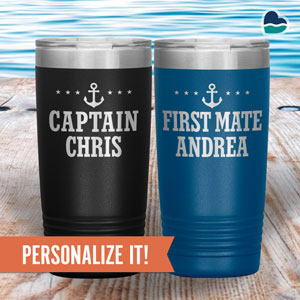
Shop Lake Saint Clair Gifts


More Lake Saint Clair news from LakeLubbers.com
- Advertise your vacation rental property or local business: DETAILS HERE
- The Lake Saint Clair forum has been discontinued: HERE’S WHY
- New Lake Saint Clair photos coming soon!
- You’re invited to join our lake-lovin’ community on Facebook and Instagram!
- Share this Lake Saint Clair article with your fellow LakeLubbers: